Lost your sewing instructions? If you don’t have the instructions, there is a general order of construction for garments;
Sewing Tips
Old fashioned or necessary: Hang the garment?
Have you ever come across the instruction “hang the garment for 24 hours”. It may seem unnecessary or even a bit of an old fashioned wive’s tale. But this instruction is necessary and has a purpose.
A circle skirt covers all the angles of the fabric, think of the skirt hanging on your body – at the front the grain line hangs vertically, on your hips the cross grain hangs vertically, in between the bias is hanging vertically.
If you pull on the angles of your fabric you would find there is very little give along the grain line, there is some give along the cross grain, and there is loads of give or stretch along the bias. Once hanging the bias will stretch and this makes the hem drop more at the bias angles. By hanging your garment, you allow the dropping to occur before hemming.
Make a circle skirt in our class and learn all about the bias and handling the fabric, inserting an invisible zip, attaching a waistband and how to narrow hem all that fabric! Make a Circle Skirt at Thread Den.
Image from Melly Sews
Choosing interfacing for your sewing project
Selecting the interfacing you should use in your project can be a challenge and feel intimidating. We’ve put a variety of information into this post in our Sewing Journal to help you choose the right interfacing for your sewing project.
Why do I need interfacing?
[Read more…] about Choosing interfacing for your sewing projectWhat is a toile?
A test garment.
When making a garment that you haven’t made before, it is a really good idea to produce a toile.
A toile is an early version of a finished garment made up in cheaper plain fabric so that the design can be tested and perfected. Multiple toiles can be made in the process of perfecting a design.
Terminology – is grading, alterations?
Pattern grading should not be confused with pattern alterations. Alterations are the process of making a pattern fit the nuances of an individual body. Whereas, grading is the process of creating a range of new sizes, or a size run.
Grading may simply be defined as the increasing or decreasing of a pattern according to a set of corresponding body measurements. The secret to professional grading is to understand where the body requires these changes.[1]
Patterns can be graded using: the cut and spread method, pattern shifting or with computer grading.
We teach the basics of Grading in a 3 hour workshop at Thread Den – click here to read more.
Terminology – Sloper or Block?
Sewing terms change internationally, which is confusing, slopers and blocks are one of those terms:
In Australia when we refer to a pattern block, we are referring to the basic shapes that sewing patterns start from. There is a skirt block, bodice block, pants block, torso block and sleeve block. The USA refers to these as slopers.
A block can be fit to a standard size or custom to fit you perfectly. You then use this as the basis to draft your own designs and variations.
Book into our pattern drafting program and you will not only custom fit your own block, but learn to draft your own design variations. Read more here.
Stay safe when sewing on your beloved old machine!
This post from Kristin Nichols reminded me of how many people in our sewing community are working on much beloved old machines. We have seen a few and heard of plenty of foot pedals that start smoking, and machines that smell and then start to smoke. So read this timely post – Getting Stitched on the Farm – and in a nut shell:
- Consider replacing old foot pedals with a nice new one.
- Unplug machines not in use.
- Unfortunately, (based on sparky’s advice) plugging a two prong plug into a three three prong extension cord will NOT ground the wire in the cord as suggested in this article.
Bra Sizing Conversion Chart
Bobbin Dramas?
Are you getting a bird’s nest of threads underneath your sewing work? Or perhaps experiencing skipped stitches? Is the thread really loopy and messy on the underside of the stitch?
Here are some tips to troubleshoot problems that may occurring when threading the bobbin:
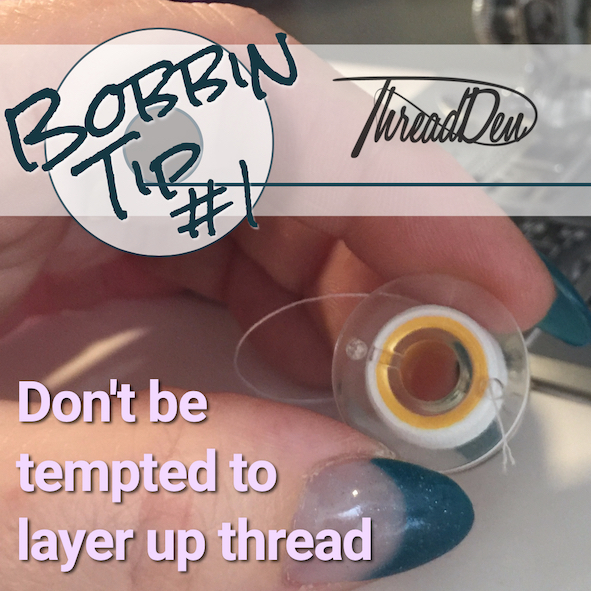
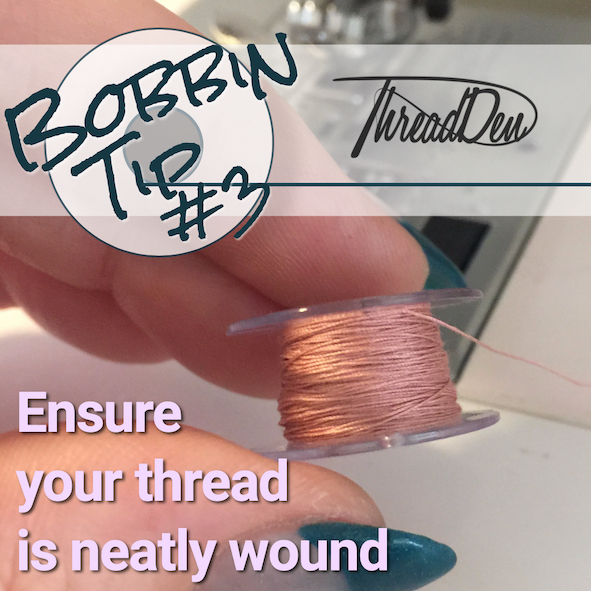
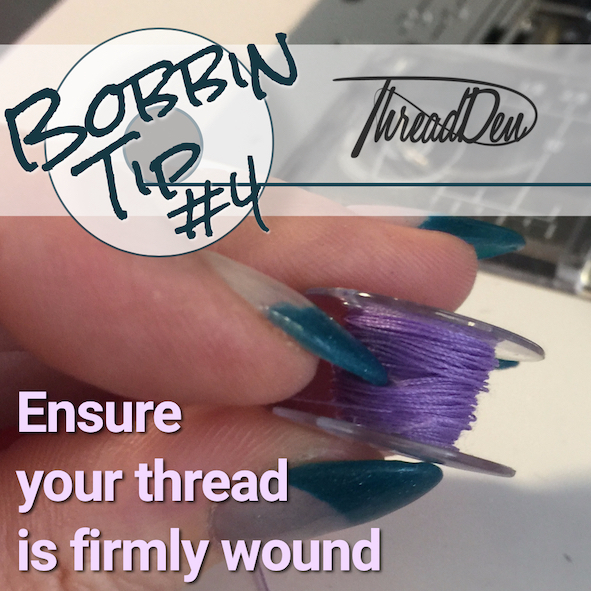
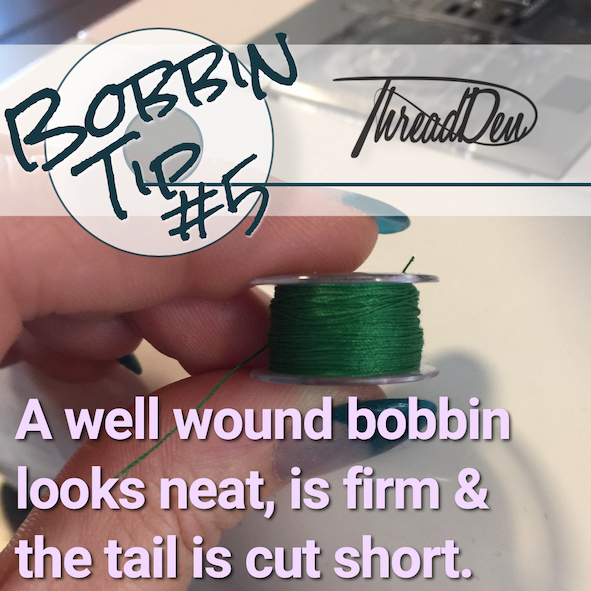
- Firstly, have you got a nicely wound bobbin? If your thread looks messy or gives when you squeeze it on the bobbin, it is most likely that you haven’t wound it correctly. A well wound bobbin will have neat, even and firmly wrapped thread around it.
- Is your bobbin inserted correctly? Double check with your manual to ensure your thread is flowing clockwise or anti-clockwise as per your machine’s requirement.
- Is your bobbin thread pulled through it’s tension guide? You need to pull the bobbin thread through the notch/guide to ensure there is a small amount of tension on the thread.
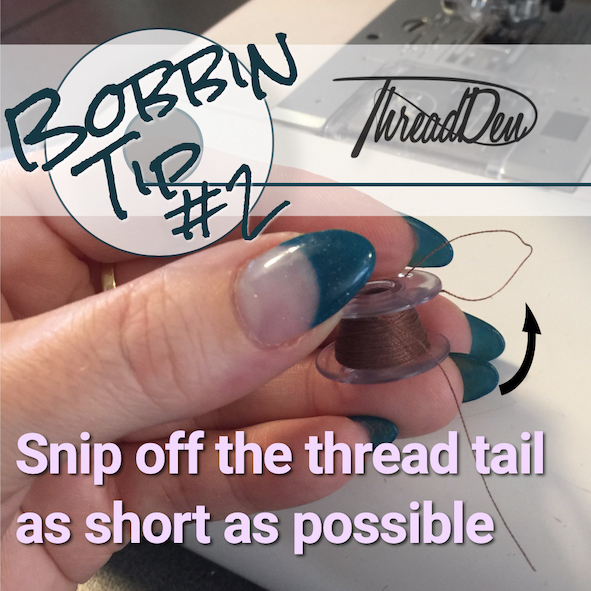
- Did you snip of the thread tail? If you have a thread tail of a centremetre or more from the other end (not the end you are threading) your needle thread is going to try to pick-up both ends of the thread each time it rotates around the bobbin.
- Is the needle thread correctly threaded? One of the most common problems we see is that the thread is not on the silver up-take hook/guide.
- Don’t forget to lower the presser foot.
- You can also double check that you have not got your stitch length on zero.
- Lastly, try holding onto both of your threads for the first couple of stitches.


Choosing the right fabric for leggings
The right choice of fabric for leggings will make or break their success. So we put together this guide to looking for the right fabrics.